5 Benefits of Shiatsu and Chinese Tuina in North York
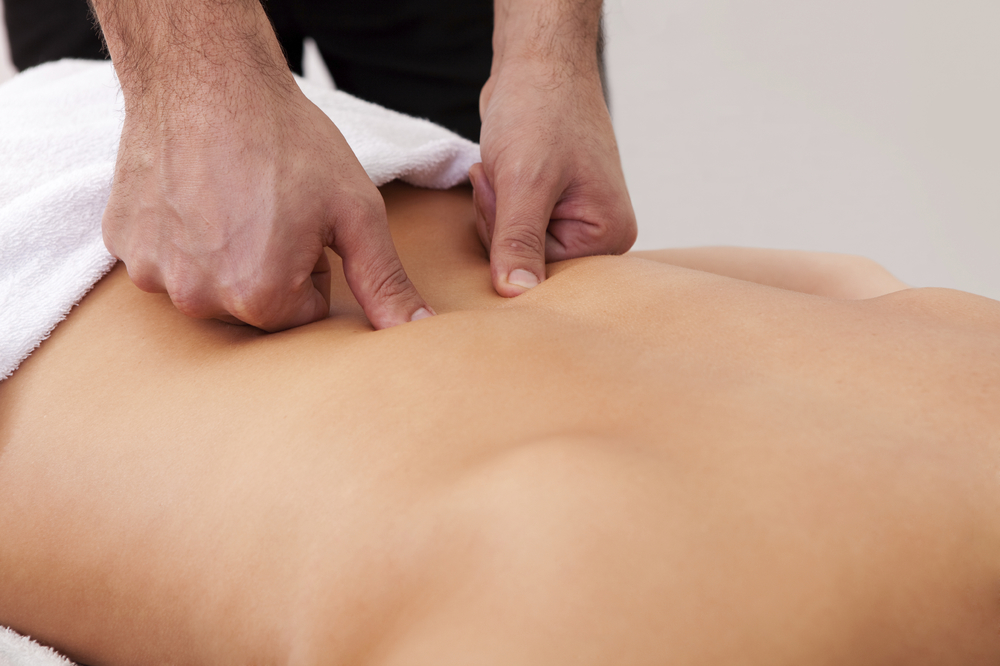
If you’re seeking a deeply therapeutic and non-oil approach to professional bodywork, exploring traditional Shiatsu massage and Chinese Tuina in North York offers a time-tested path to chronic pain relief and total physical balance.
Across the Greater Toronto Area (GTA), the combination of intense workplace stress and daily physical fatigue often leaves individuals searching for deeper, holistic muscle care. Both Eastern modalities excel at releasing stubborn, deep-seated muscle patterns, utilizing specialized mechanical techniques to efficiently restore your overall bodily ease without the need for topical lotions.
What Is the Difference Between Shiatsu and Chinese Tuina?
Shiatsu is a Japanese form of clinical bodywork characterized by precise, vertical finger pressure applied systematically along the body's structural pathways. It focuses heavily on static holding and steady compressions to soothe an overactive sympathetic nervous system and unlock tight muscles.
On the other hand, Chinese Tuina is a dynamic and rigorous manual therapy that incorporates rhythmic brushing, kneading, rolling, and passive stretching techniques. It functions as an active structural realignment, making it highly effective for breaking down rigid scar tissue, freeing stiff joints, and accelerating physical recovery after fatigue.
5 Ways Eastern Bodywork Restores Your Physical Vitality
Whether you prefer the steady stillness of Japanese finger pressure or the active movement of Chinese manual therapy, incorporating these Eastern modalities into your routine provides five distinct health advantages:
1. Delivers Deep Trigger Point Release Without Massage Oils
Unlike standard Western relaxation treatments, both Shiatsu and Tuina are traditionally performed over loose, comfortable clothing. Our specialized Shiatsu massage utilizes the practitioner's calibrated body weight to apply focused, concentrated vertical pressure onto specific tension points, making it exceptional for melting away localized, stubborn muscle knots without leaving an oily residue.
2. Promotes Dynamic Musculoskeletal Realignment
If your physical tension is accompanied by joint stiffness and reduced flexibility, traditional Chinese Tuina offers the perfect solution. By applying active joint movements and sweeping manual manipulations, this dynamic therapy is ideal for opening locked shoulder blades, loosening rigid lower backs, and restoring your optimal daily range of motion.
3. Soothes the Nervous System and Reduces Daily Anxiety
The firm, rhythmic pressure applied during an Eastern bodywork session has a profound effect on your central nervous system. By shifting your body out of a stressful "fight-or-flight" state and into a calm parasympathetic state, these treatments effectively lower cortisol levels, quiet mental chatter, and improve nightly sleep quality.
4. Stimulates Local Circulation and Relieves Chronic Fatigue
When muscles remain frozen in a state of chronic contraction, they restrict local blood flow, leading to a buildup of metabolic waste and persistent body aches. The deep compressions used in Eastern therapies actively stimulate blood and lymphatic circulation, bringing fresh oxygen to fatigued tissues and instantly boosting your physical energy.
5. Cultivates Long-Term Postural Balance and Daily Vitality
Repetitive daily habits like long hours of office typing or driving gradually compress the body's alignment. Routine Eastern bodywork acts as a preventative maintenance system. By systematically releasing deep-seated muscular tension and correcting minor structural imbalances, it stops chronic strain from becoming permanent, keeping your body resilient and energized.
How Often Should You Maintain Your Eastern Wellness Routine?
While a single Eastern bodywork session provides an immediate sensory reset and noticeable joint lightness, the cumulative physical strain of modern city life requires a consistent recovery routine to yield permanent benefits.
For most office professionals, remote executives, and active individuals in North York, integrating a Shiatsu or Tuina session into your lifestyle every 2 to 4 weeks is the ideal preventative frequency. This proactive schedule keeps your musculoskeletal system aligned, systematically reduces built-up physical fatigue, and maintains your daily vitality throughout the demanding workweek.
Book Your Traditional Eastern Restoration in North York
Conveniently serving the diverse communities of North York, Scarborough, Vaughan, Markham, and Richmond Hill, Nile Foot Spa provides a quiet, private, and minimalist sanctuary dedicated to your holistic rehabilitation. Explore our full [Traditional Eastern Massage Services] or call us today at (416) 398-5777 to secure your preferred appointment slot.
Common Questions About Shiatsu & Chinese Tuina
1) Do I need to undress for a Shiatsu or Chinese Tuina session?
No, not at all. Both Shiatsu and Chinese Tuina are traditionally performed over loose, comfortable clothing. This makes them highly efficient, fully accessible, and comfortable options for clients who prefer deep, functional bodywork without the use of topical creams, oils, or lotions.
2) Which modality should I choose if I have severe lower back stiffness?
If your lower back stiffness is accompanied by joint tightness and a reduced range of motion, Chinese Tuina is highly recommended due to its dynamic stretching and rolling mechanics. If your tension feels like localized, sharp muscle knots, Traditional Shiatsu will provide the steady, concentrated vertical pressure needed to release them.
3) Are these traditional Eastern sessions performed using massage oils?
No. Traditional Shiatsu and Chinese Tuina are dry, oil-free modalities performed completely over clothing. This is ideal for clients who dislike the sticky feeling of topical oils, have sensitive skin, or want a clean, fuss-free therapeutic treatment during their busy weekly schedule.